Homeowners often compare a water softener vs water filter when they want better water quality. Both systems improve tap water but each one focuses on different problems. This guide explains how water softeners and water filters work and how to choose the right water treatment system for your home.
Understanding the Basics of Water Treatment Systems
What Creates Water Hardness
Many homes deal with water hardness because their water supply carries calcium and magnesium minerals. These minerals form calcium and magnesium ions that raise hardness levels. Hard water leaves mineral deposits on faucets and sinks. It affects washing machines, plumbing fixtures, and water using appliances. As minerals build inside these systems, scale buildup and mineral buildup grow over time.
These dissolved minerals and dissolved calcium raise total dissolved solids and affect skin and hair. Many homeowners learn about these effects through guides like the Water Softener Guide, which breaks down hardness and treatment options.
What Water Softeners Do
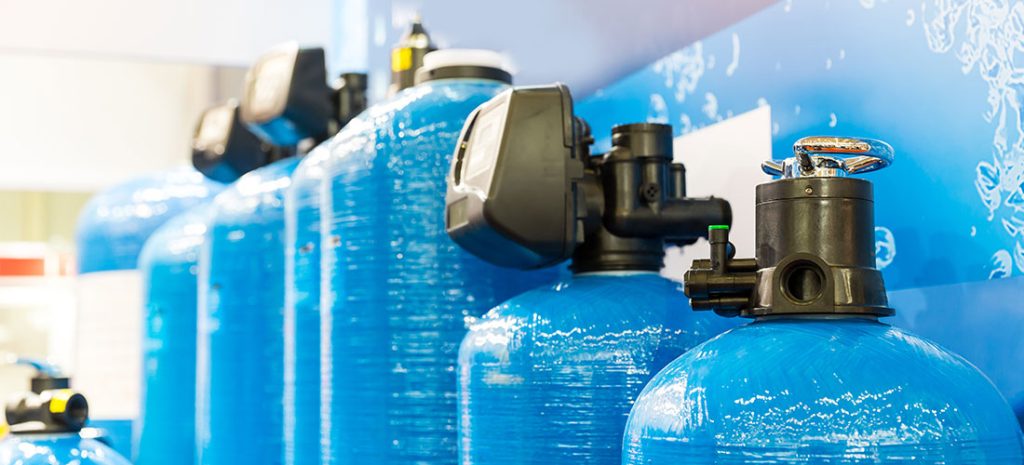
A water softener uses a process called ion exchange to remove hardness minerals. Inside the resin tank, ion exchange resin holds resin beads that attract calcium and magnesium ions. These beads release sodium ions and collect the hard minerals. Softened water protects appliances and helps produce cleaner dishes and softer skin.
Some homes prefer salt free water softeners. These salt free systems change the behavior of minerals rather than remove them. Many homeowners use these units as water conditioners. Water softening systems reduce scale buildup and protect whole house systems.
If cost or long term value is a concern, many homeowners review insights in Is a Water Softener Worth It.
What Water Filters Do
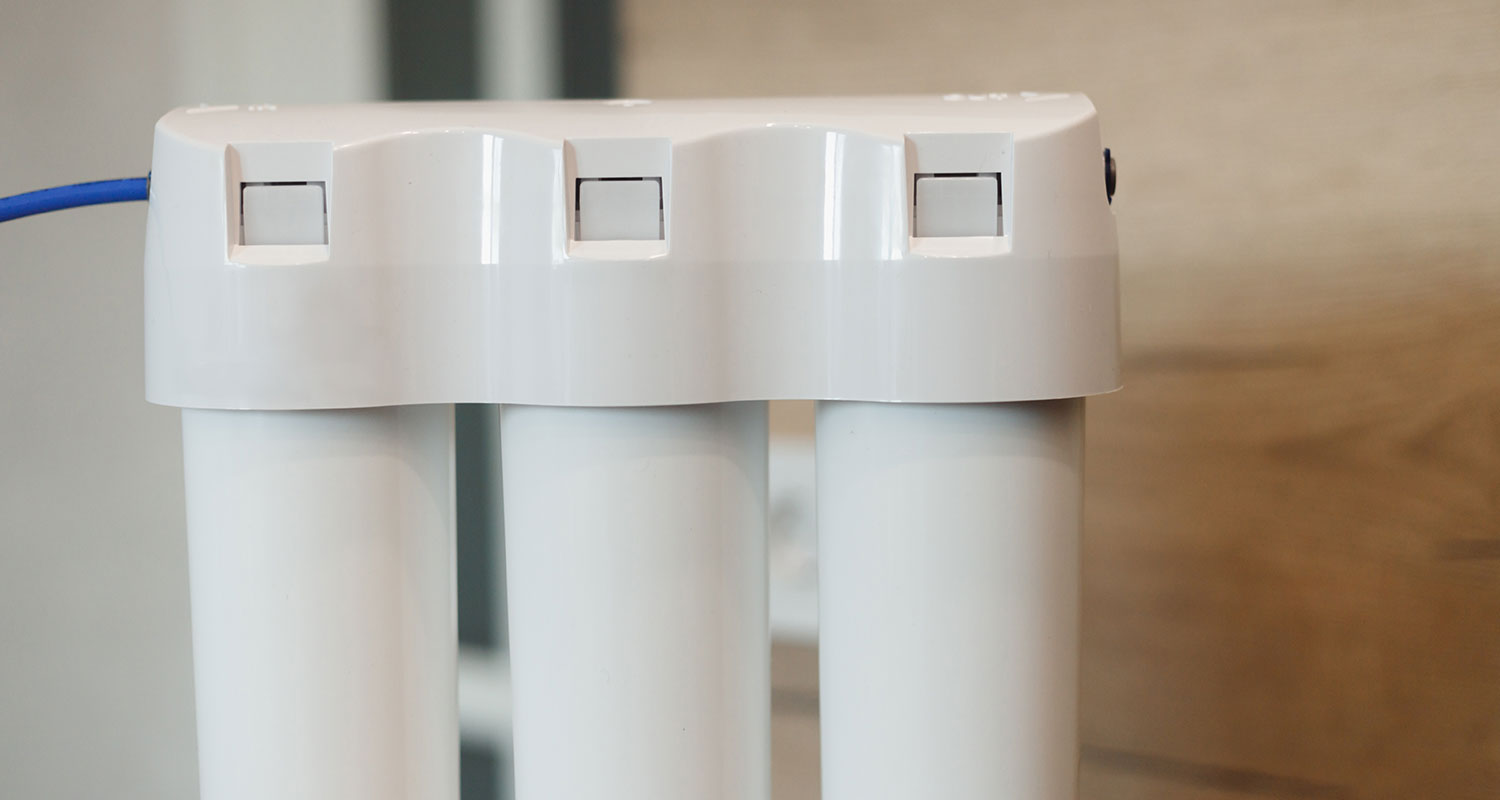
Water filters remove harmful contaminants that softeners cannot address. A water filtration system improves drinking water quality by reducing chemical and physical contaminants. A whole house water filter cleans water before it reaches any faucet and reduces many other contaminants.
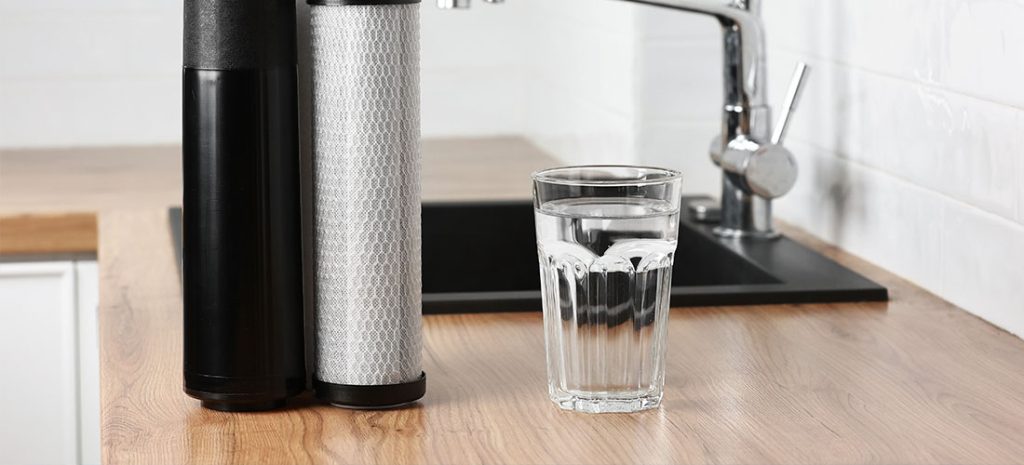
Activated carbon filters trap chemicals through a process called adsorption. They help reduce chlorine and volatile organic compounds. Reverse osmosis systems use a semi permeable membrane to reduce dissolved salts, total dissolved solids, and dissolved minerals. Some whole home filtration system setups use ultraviolet light to reduce microorganisms.
Many homeowners explore whether reverse osmosis softens water, and learn the distinction through resources like Does a Reverse Osmosis System Soften Water.
Filtered water improves drinking water taste and reduces unpleasant taste that pushes families toward bottled water.
Water Softener vs: What Each System Fixes Best
Problems Solved by Water Softeners
A water softener works best when hardness creates most household problems. Mineral deposits on faucets, scale buildup in appliances, and poor soap performance often point to hard water minerals. A softener reduces these issues and helps protect long term appliance performance.
Hardness varies by region. Many homeowners check local hardness conditions through resources like Is San Antonio Water Hard or Soft.
Problems Solved by a Filtration System
A filtration system works better when the issue involves harmful contaminants. Activated carbon filters reduce volatile organic compounds and chlorine byproducts. Reverse osmosis reduces dissolved solids and dissolved salts. Filtration improves drinking water quality and lowers health risks linked to contaminated water and unfiltered water.
A whole house filter provides access to cleaner water at every tap and helps reduce chemical composition concerns.
Using Both a Water Filter and a Water Softener
Some households deal with hardness and contamination at the same time. Using both a water filter and a water softener provides the most complete protection. These systems combine well to reduce dissolved minerals, harmful contaminants, and hard water effects. The result creates great tasting water and supports healthier plumbing.
Technology Behind Each System
How Water Softeners Work Internally
A water softener relies on ion exchange to treat water hardness. Resin beads inside the resin tank pull calcium and magnesium ions from the water and replace them with sodium ions. When the beads reach capacity, the system regenerates the resin bed.
Correct sizing matters for performance. Homeowners often find accurate guidance through resources like How Big of a Water Softener Do I Need.
How Water Filters Treat Water
Filtration systems use several methods to improve water quality. Activated carbon filters use adsorption to trap chemicals and odors. Reverse osmosis uses a semi permeable membrane that blocks dissolved solids. Ultraviolet light systems reduce microorganisms when paired with other filters.
Many whole house systems use more than one filter type. This paired approach supports safe drinking water and lowers dissolved solids that affect taste.
Buying Considerations Before You Treat Water
Test Your Water Supply
A water test helps homeowners find the root cause of their water problems. Testing reveals water hardness, dissolved solids, and other contaminants. With clear results, it becomes easier to choose a water treatment system that fits your home.
Cost, Maintenance, and Health Factors
A water softener has ongoing maintenance needs. Salt based models need regular salt additions. Salt free systems work differently and do not need salt. A water filtration system needs new filters or membranes. A whole house water filter may need yearly service.
Some homeowners have questions about sodium ions in softened water. Households with health concerns often choose salt free systems. A filtration system removes harmful contaminants that softeners do not address.
Compatibility and Whole House Needs
Homes with many fixtures may need a whole house setup. Plumbing layout, water usage, and available space shape the choice. A house filter works well for homes that want filtered water at every tap. A softener is ideal for homes with high hardness readings.
Real Home Scenarios: Softener vs Filter
Scenario 1 — Hard Water Only
If scale buildup, mineral deposits, and appliance wear occur often, a water softener solves the core problem. Homes with strong hardness readings benefit from softening.
Scenario 2 — Chemical or Contaminant Problems
If water quality concerns involve volatile organic compounds, heavy metals, or unpleasant taste, a filtration system works best. Filtration improves safety and improves drinking water quality.
Scenario 3 — Hard Water and Contamination Present
Many homes experience hardness and contamination together. Using both a water filter and a water softener provides the broadest protection. Systems combine well and protect the plumbing and the water supply.
FAQ
Do water softeners remove contaminants
A softener does not remove harmful contaminants. A filtration system handles those issues better.
Do water filters reduce hardness
Most filters do not reduce hard water minerals. A softener solves hardness.
Is a salt free water softener enough
Salt free systems reduce scale buildup but do not remove calcium and magnesium minerals.
Will a filtration system reduce total dissolved solids
Reverse osmosis reduces total dissolved solids and dissolved salts.
Should I use both systems
Homes with hardness and contamination often see the best results using both systems.
Final Recommendation
Choose a water softener when hard water minerals cause buildup or appliance wear. Choose a water filter when water contamination affects taste or safety. Many homes need both systems for complete protection. A water test helps you choose the right approach for your needs.
Learn more about Water Softeners.
See more options for Water Filtration.