Plumbing work helps keep water supply systems, drains, and fixtures in good working order. Many homeowners handle small tasks on their own, yet every plumbing job carries risk. Plumbing technicians face even greater challenges since each task involves tools, confined spaces, hot pipes, and equipment that can create hazards. Staying aware of every potential hazard helps prevent injury, accidents, and property damage. These plumbing safety tips support safer repairs, better decisions, and healthier homes.
Why Plumbing Safety Matters
Plumbing systems move water, waste, and air through pipes that run behind walls and under floors. Issues inside these systems can lead to health hazards, structural damage, or accidents. Problems such as burst pipes or a backed up drain rarely stay contained. Water can travel through flooring, reach electrical components, and affect indoor air quality. Raw sewage creates even greater risk, especially in enclosed areas. A single missed detail can turn a minor plumbing issue into an emergency.
Many homeowners deal with problems linked to aging pipes and mineral buildup, and the common plumbing issues in San Antonio show how quickly small concerns can grow when safety steps are missed.
Plumbing work also relies on tools, power sources, and physical effort. Plumbing technicians often lift heavy water heaters, bend in awkward positions, or work around steam and hot surfaces. Homeowners face similar challenges on a smaller scale. Understanding the risks involved with each task keeps both groups safer during maintenance and repairs.
Understanding Your Plumbing System and Plumbing Fixtures
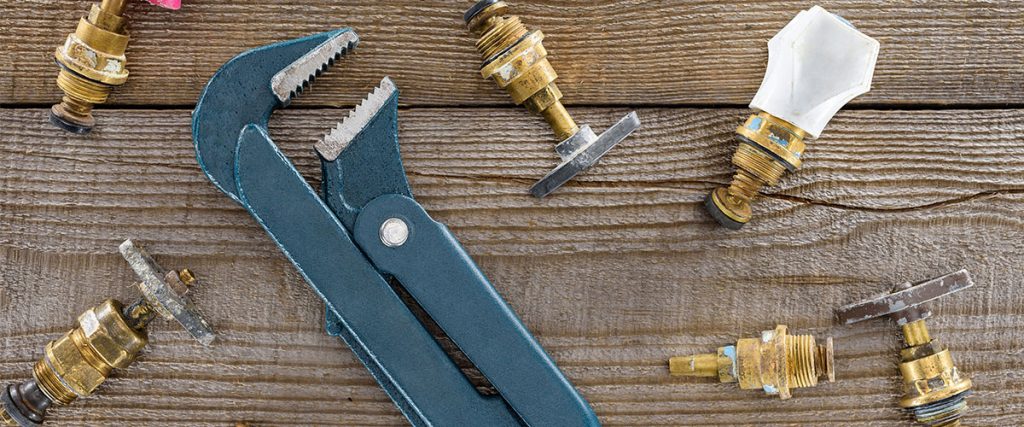
A home or workplace depends on several plumbing fixtures. Faucets, toilets, shower heads, washing machine valves, and water heaters all connect to a larger plumbing system. Each fixture interacts with water pressure, temperature settings, and drainage flow.
Residential systems rely on cold and hot lines that bring water to each fixture. These lines connect to the water heater, which runs on gas or electricity. When fixtures behave poorly, the issue may come from valves, pipes, or drains deeper in the system. Knowing what each component does helps homeowners diagnose small plumbing issues and helps technicians identify a precise location for repairs.
Maintenance keeps fixtures efficient. A slow faucet, gurgling drain, or inconsistent temperature often signals buildup inside pipes. Careful upkeep helps prevent clogs, maintains water pressure, and extends the lifespan of the entire system.
Core Safety Precautions for Any Plumbing Job
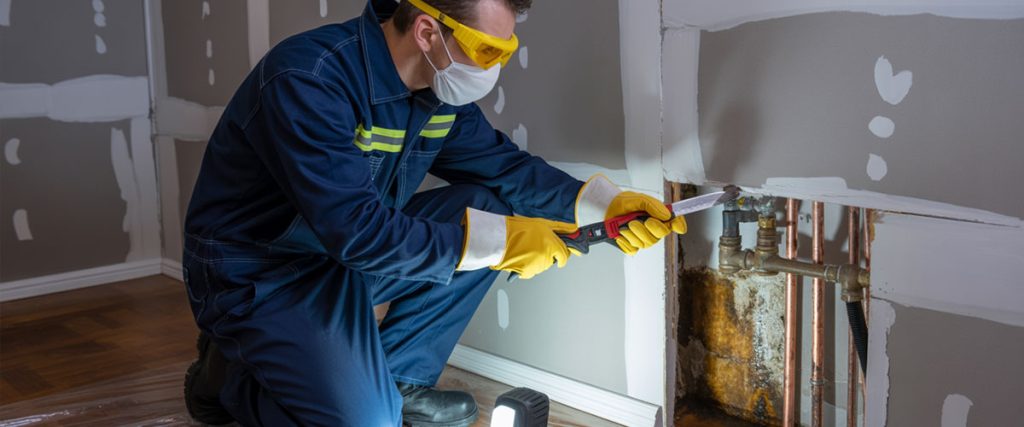
Proper protective gear and personal protective equipment
Every plumbing job benefits from personal protective equipment. Gloves, work clothes that cover the skin, eye protection, and a face mask help block debris, splashes, and flying particles. Some tasks release dust from drywall or insulation, which makes respiratory protection valuable. Proper protective gear supports workplace safety for both homeowners and employees in a plumbing business.
Safe lifting techniques and avoiding awkward positions
Water heaters, toilets, and some advanced tools weigh more than many expect. Lifting without stable footing increases the risk of injury. Safe lifting techniques support spine health and reduce strain that comes from awkward positions. Keeping tools and materials within reach helps limit twisting or bending.
Working around hot pipes, burst pipes, and high water pressure
Hot pipes can cause burns when touched without protection. Burst pipes release forceful water, which can spray debris and create slippery floors. High water pressure may also cause fixtures to shake or fail. Closing the main water supply before repairs lowers the risk of accidents during tasks that involve valves, connections, or damaged lines.
When temperature control becomes inconsistent or the unit produces unusual noises, a technician who performs water heater repair can keep the system stable and reduce burn risk.
Handling chemical drain cleaners, hazardous chemicals, and raw sewage
Chemical drain cleaners break down buildup inside drains, yet many contain hazardous chemicals. These chemicals can burn skin, irritate eyes, or create harmful fumes. Safety data sheets provide more information about each product, and reading them helps homeowners and plumbers exercise caution. Raw sewage carries bacteria that affect health, so gloves and proper disposal methods remain important in any plumbing project.
If a clog keeps returning or the drain reacts badly to cleaners, scheduling drain cleaning services helps avoid unsafe exposure to hazardous chemicals.
Safety on the Job Site for Plumbing Technicians and Businesses
Plumbing technicians work in varied environments. Each job site creates new challenges because every structure has a different layout, fixture placement, and access point. Businesses that stay organized and maintain tools in good working order reduce risks for their teams.
Recognizing potential hazards
Job sites may include slippery floors, exposed wiring, or tight corners near fixtures. Some tasks require power tools, which can send flying particles into the air. Advanced tools help speed up repairs, yet they also require careful handling.
Confined spaces and related risks
Many plumbing tasks occur in confined spaces. Crawl spaces, basements, and cabinets under sinks limit movement and airflow. Technicians who work in areas with limited space watch for low oxygen levels, sharp objects, or rodents. Rodent droppings can contaminate surfaces and increase health risks.
Using ground fault circuit interrupter protection
Electric tools and water do not mix well. A ground fault circuit interrupter protects plumbers when tools malfunction or wiring becomes wet. Testing electrical outlets ensures power remains stable during repairs.
A San Antonio Plumbing Safety Checklist for Homeowners
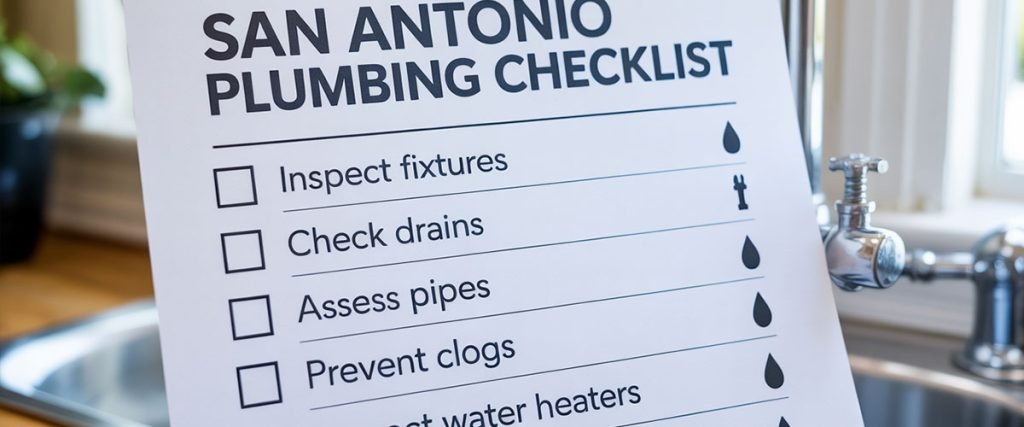
Homes in San Antonio benefit from regular plumbing inspections due to local water conditions and temperature shifts. Following a simple checklist helps residents maintain their plumbing systems and identify early signs of trouble.
Homeowners who want a deeper look at hidden issues can request plumbing inspections to verify pipe conditions, water heater performance, and fixture safety.
Inspect plumbing fixtures and water heaters
Check faucets, shower heads, and valves for leaks. Look at the base of water heaters for moisture. Keep the thermostat set correctly to prevent overheating. Water heaters with corrosion around fittings may require service.
Check drains and prevent clogs
Drains slow down when debris, hair, or grease accumulates. Using effective methods to prevent clogs, such as strainers and routine flushing, helps maintain flow. Avoid chemical drain cleaners when possible to reduce exposure to hazardous chemicals.
Assess pipes for temperature or pressure issues
Hot pipes should not produce excessive heat on the surface. Pipes that rattle during use may indicate high water pressure or loose fittings. Addressing these signs early lowers the risk of a burst pipe.
Plan for emergencies
A plumbing emergency may involve raw sewage, flooding, or sudden water heater failure. Know the main shutoff valve location and test it periodically. Homeowners should contact an experienced plumber when water damage or contamination occurs. When water appears along the floor without a clear source, reviewing guidance on how to fix a slab leak helps determine whether the foundation is affected.
Quick break tasks before a professional arrives
Homeowners can remove small items from around fixtures, clear access to the water heater, and document the issue. This helps professionals start repairs faster.
When to Call a Professional Plumber
Some situations need more than basic tools. A professional plumber offers deeper knowledge of plumbing systems, risks, and equipment.
Signs you need an experienced plumber beyond DIY
Leaks inside walls, hissing sounds near valves, sewer odors, and rapid drops in water pressure often point to hidden damage. These tasks require advanced tools that locate problems without unnecessary repairs.
Why homeowners trust Chambliss Plumbing for complex tasks
Chambliss Plumbing helps residents handle challenging repairs in a safe and efficient way. Their team includes experienced plumbers who understand the risks involved in difficult tasks. For local support, homeowners can reach out to San Antonio plumbers from Chambliss Plumbing for guidance and service.
How a professional plumber uses safety protocol
A trained expert handles hazardous chemicals, hot pipes, confined spaces, and malfunctioning power tools with steady technique. Safety protocol guides every step, from the initial inspection to equipment selection. This approach protects the home and anyone nearby.
Preventing property damage through timely repairs
Delays increase damage. Water spreads quickly and affects flooring, cabinets, and electrical components. A call to Chambliss Plumbing helps limit the impact and keeps repair costs lower.
Staying Up to Date and Maintaining Plumbing Systems
Homeowners and plumbing technicians benefit from learning current safety standards. Safety data sheets update regularly as manufacturers revise products. New regulations influence how water heaters, valves, and fixtures perform. Staying up to date with these details helps reduce risk.
Employees within a plumbing business need training that covers tools, protective gear, and specific job steps. Clear instructions help every team member follow the same safety guidelines. Proper maintenance supports efficiency and lowers long term repair needs.
Plumbing fixtures and systems last longer when inspected regularly. Checking valves, drains, and connections helps locate small issues before they grow. Homeowners can schedule seasonal inspections to keep systems stable.
Wrapping Things Up
Plumbing safety requires awareness, planning, and steady technique. Homeowners who follow safe habits protect their property and their health. Plumbing technicians who use proper protective gear, stay aware of hazards, and follow structured safety protocol work more efficiently and face fewer risks. The San Antonio plumbing safety checklist supports local residents and helps keep each home prepared for sudden issues. For complex problems, connecting with a skilled professional such as Chambliss Plumbing provides reliable support and safer outcomes.
FAQs
What is one helpful plumbing safety habit for homeowners
Shutting off the water supply before repairs helps prevent flooding and pressure related accidents.
Can chemical drain cleaners be used safely
They must be handled with gloves and eye protection. Many homeowners prefer non chemical options.
How do plumbing technicians handle confined spaces
They monitor air quality, use proper lighting, and follow breathing and movement guidelines.
Which protective items help during plumbing tasks
Gloves, eye protection, work clothes, and a face mask limit contact with hazards.
How often should San Antonio homeowners inspect plumbing fixtures
A seasonal inspection helps keep systems stable and reduces the chance of emergency repairs.