In this post we will be covering, “How to winterize a house plumbing and prevent frozen pipes?”. Want to enjoy a cozy winter season without worrying about plumbing disasters? With proper winterization of your house’s plumbing system, you can avoid the nightmare scenario of flooded rooms due to burst pipes.
Here is a guide with essential steps on how best to protect your home and ensure that snuggling up with family during cold evenings goes off without any disruption.
Short Summary
- Winterizing your plumbing is essential to avoid frozen pipes, potential damage and costly repairs caused by freezing temperatures.
- Insulate pipes in crawl spaces and exterior walls, seal air leaks and maintain heat, install leak detection devices to winterize interior plumbing.
- Protect outdoor faucets from freezing temperatures. Inspect gutters & downspouts for debris, adjust water heater temperature settings, flush & drain toilets/drains before using antifreeze solution for vacation homes/cabins.
The Importance of Winterizing Your Plumbing
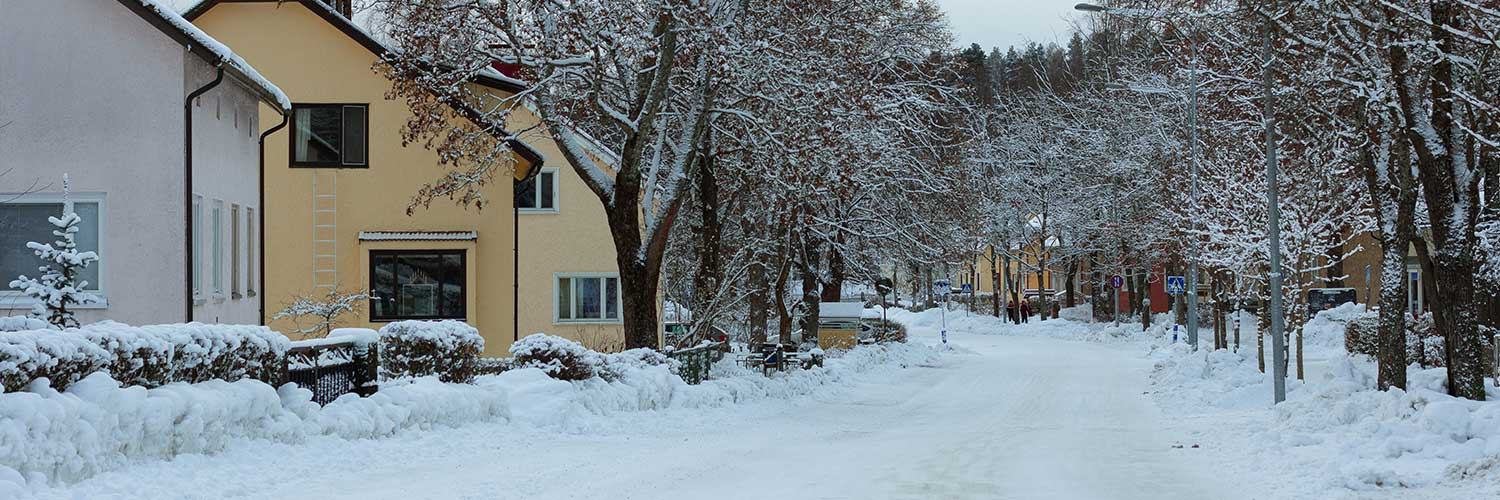
Taking the proper steps to winterize your plumbing is an important part of protecting your home from freezing temperatures and any disasters such as burst pipes, water leaks, and costly repairs. Plumbing winterization involves draining all water heaters along with emptying out piping systems by utilizing a specialized antifreeze solution in fixtures.
Unprotected parts like those found on exterior walls or crawl spaces are especially vulnerable during cold weather so following some basic tips for guarding against frozen plumbing can help keep problems away while also preserving comfort within your home.
Preparing for Plumbing Winterization
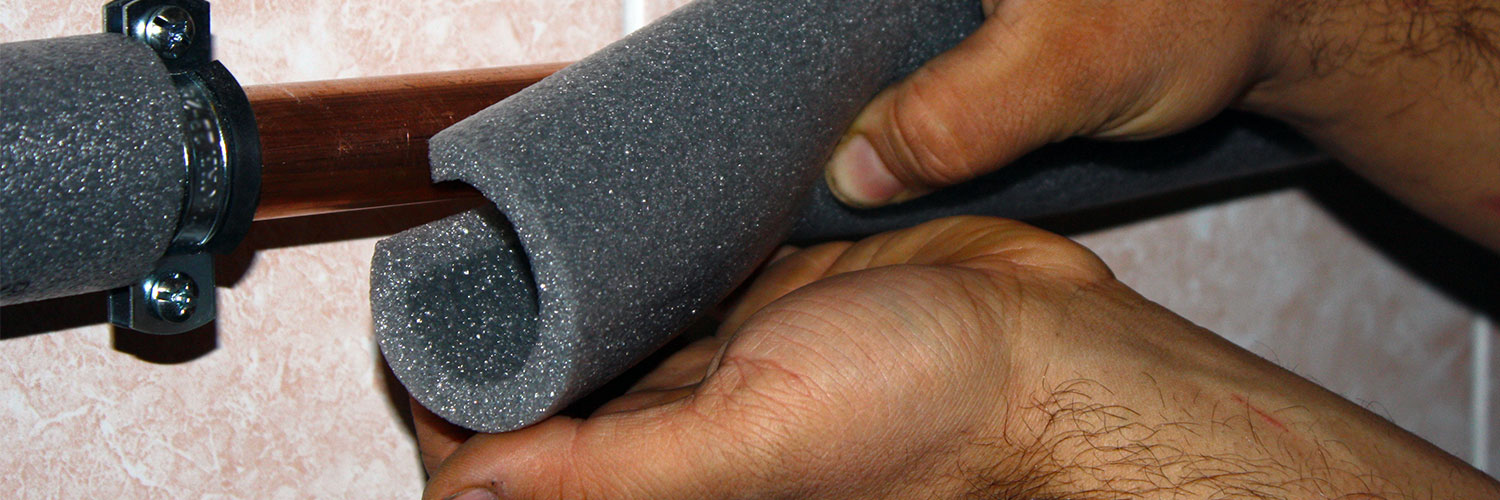
Before winterizing your plumbing, it is essential that the necessary tools and materials are on hand. To make this easier, create a list of all pipes, faucets and valves in the home. Ask for assistance from an experienced local plumber who will be able assess where these items are located.
Draining pipes as part of winterization helps protect against frozen water which can cause bursting or leaking issues. Consequently, one should deplete any remaining liquid inside an uninsulated pipe using antifreeze solution before turning off its valve.
Ensure you drain the water heater using its drain valve if it’s part of your setup. With proper preparation and expert advice, you can ensure a successful draining process, safeguarding your property for the colder months ahead.
Steps to Winterize Interior Plumbing
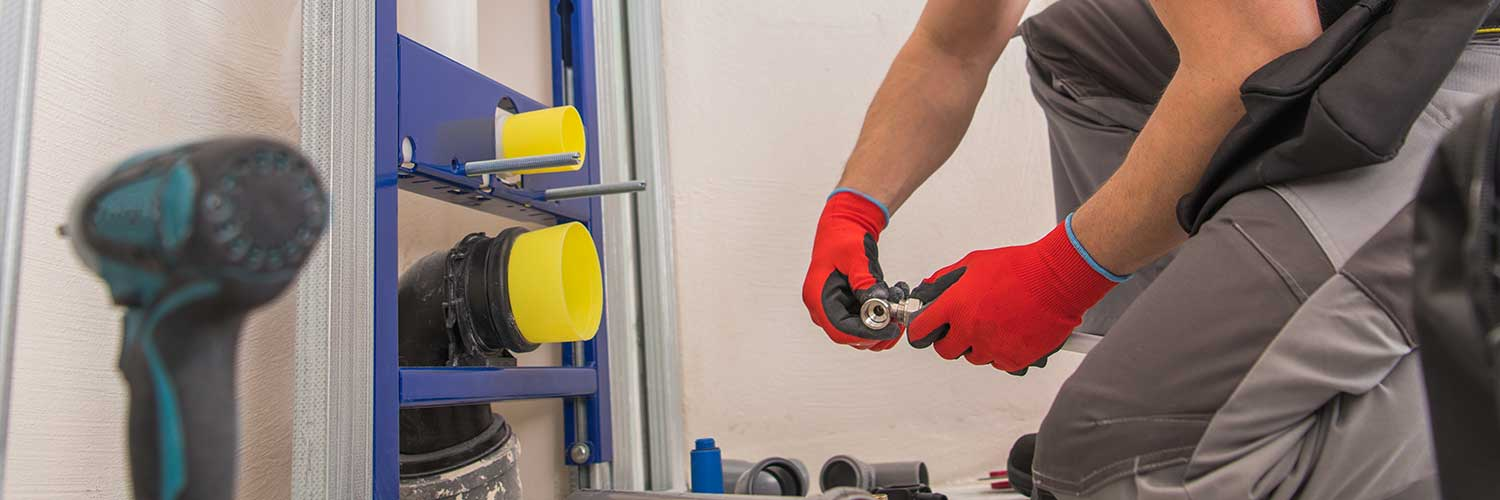
For winter-proofing the pipes within your home, there are key elements to address. One of these is insulating any tubes situated in exterior walls or hidden spots like crawlspaces.
Another essential step includes finding and plugging up all air cracks as well as maintaining indoor heat levels. Finally, it’s recommended you install devices meant for detecting water leakage too.
All of this will guard your property’s plumbing from frigid weather conditions and help prevent potential disasters down the line! Let us now review each one more closely.
Insulate Pipes in Crawl Spaces and Exterior Walls
For effective climate control, using pipe insulation to prevent freezing is necessary in both crawl spaces and exterior walls. Foam boards or spray foam insulation should be used for the pipes located within the unconditioned area under your house.
Choose materials that match up with the width of said piping. For outside walls too, there must be an appropriate choice of foam boards/spray foams according to their respective dimensions to reduce heat loss as well as provide temperature regulation during winter. Insulating pipes properly will reduce energy consumption while simultaneously increasing comfort levels at home.
Seal Air Leaks and Maintain Heat
Protecting plumbing from the low temperature is crucial, and that includes sealing any air leaks around pipes. Enclose external openings on your house structure, close crawl space entryways and access doors tightly, plus use caulk to fix breaks in windows or walls where warm air might be leaking out.
You can even apply expanding spray foam insulation for large gaps such as by baseboards and other exterior wall areas. Also important for preserving heat inside your home – set thermostats at a minimum of 55° Fahrenheit so pipes have optimal protection against freezing damage. Consider opening cabinets with indoor piping near unheated spaces/walls too since this will let hot air circulate better around those spots.
Install Leak Detection Devices
Installing leak detection devices, such as Flo by Moen, D-Link DCH-S161 Wi-Fi Water Sensor and Phyn Smart Water Sensor, can be beneficial in preventing water damage. These specialized tools are designed to identify the presence of any leaks quickly within both residential and commercial structures before the situation worsens so that prompt action may be taken.
The use of these devices helps monitor potential issues with your plumbing structure during winter months, which ensures its proper safety and functionality. With this type of early warning notification, you can rest assured knowing that there is a reliable way for protecting against costly damages from unexpected water leakage events around your home or business premises.
Steps to Winterize Exterior Plumbing
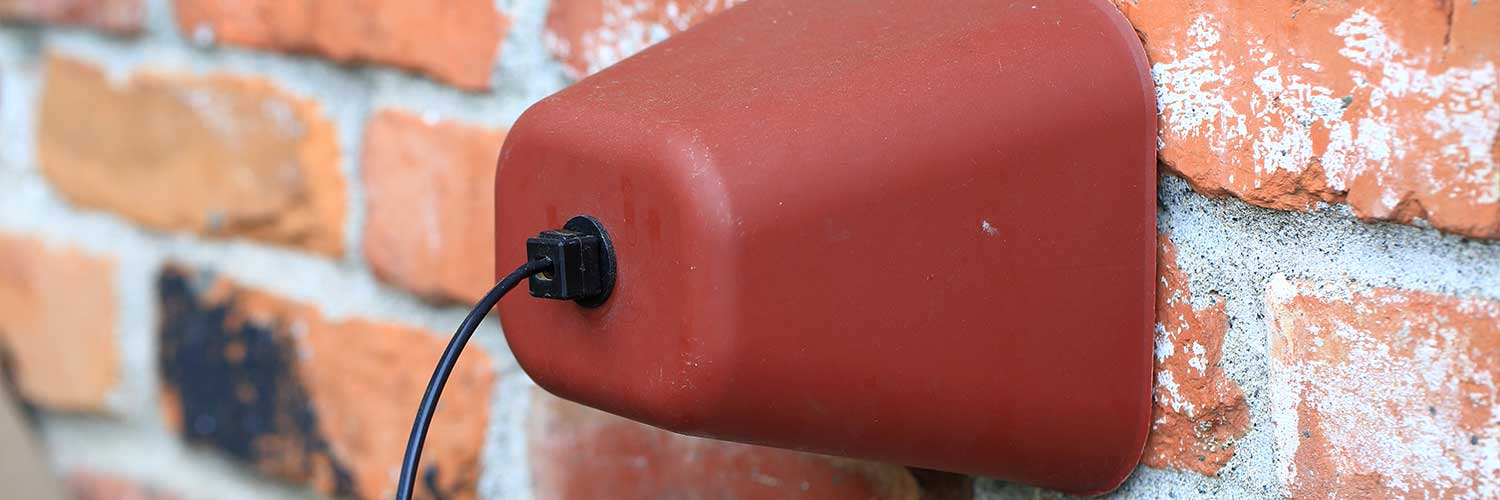
When it comes to protecting your home’s plumbing system against the colder months, winterizing outside areas is essential. This includes making sure outdoor faucets are correctly sealed off and safe from temperatures drops. Draining garden hoses, sprinkler systems, gutters and downspouts of any debris or blockage that can prevent proper drainage. As well as taking measures which will help ensure its full protection overall. All these actions should be taken in order to avoid potential problems brought by severe weather conditions during the season.
Protect Outdoor Faucets
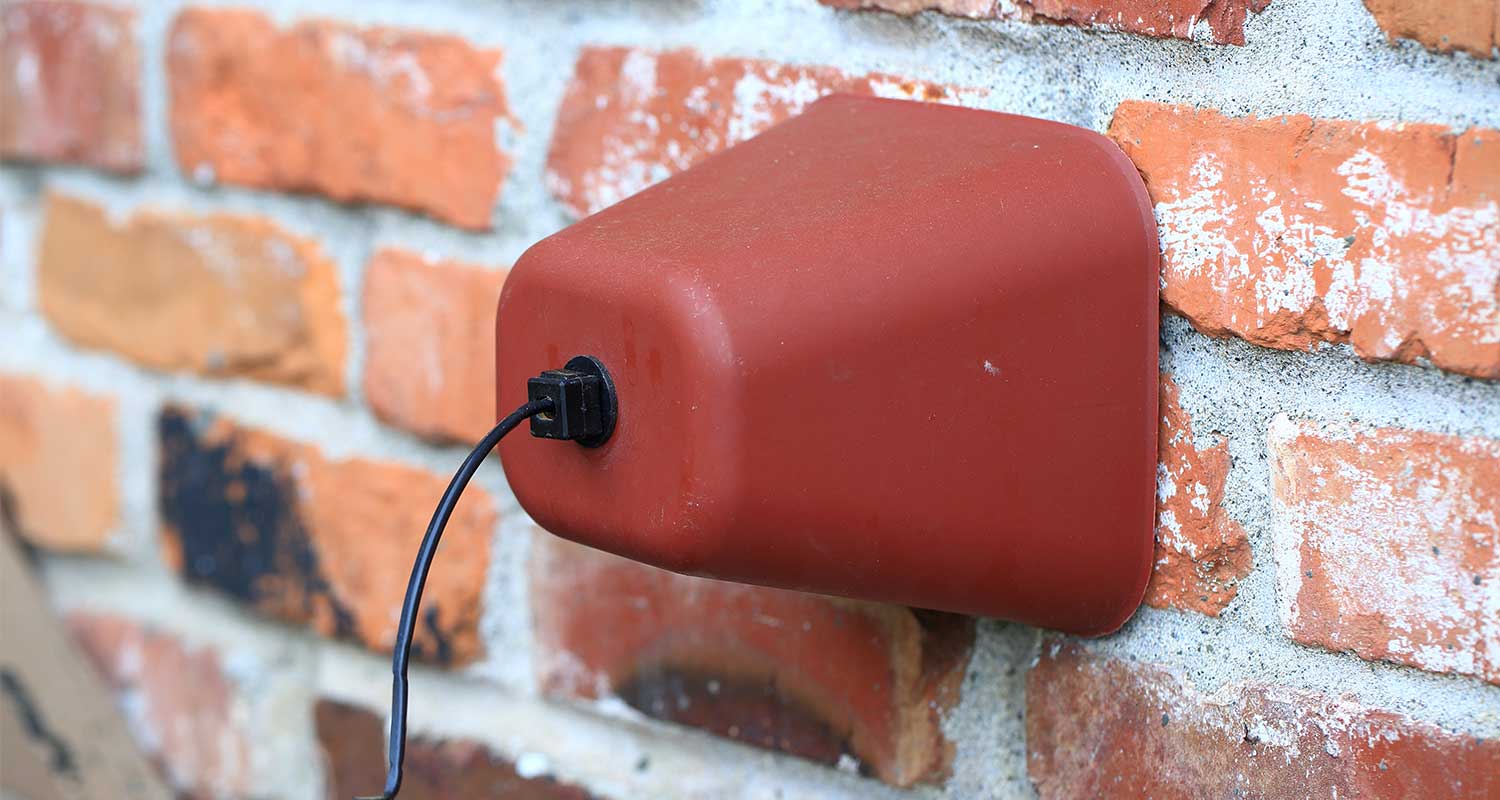
In order to safeguard outdoor faucets from freezing weather, start by wrapping exposed water pipes with insulation. Subsequently use the main shut off valve located outdoors and remove garden hoses connected to external taps then partially open every tap slightly enough for any remaining liquid inside it to drain out completely.
These steps will not only guard against frigid temperatures but also avoid potential plumbing breakdowns or expensive repairs over wintertime months as well. By making sure good insulation is in place alongside turning the water supply you can maintain your outside fixtures functioning properly throughout cold times ahead.
Winterize Sprinkler Systems and Garden Hoses
For a smooth-running household plumbing structure, it is important to winterize your sprinkler systems and hoses. Start by shutting off the water valve so no more liquid can move through the pipes. Afterward, eliminate any residual moisture from them or push out with compressed air before disconnecting them from their source of supply and storing in a warm spot to prevent ice cracking/splitting.
By performing these steps ahead of time, you will help safeguard not only outdoor appliances, but also avoid costly repairs that may be caused by extreme cold temperatures down the road. All while keeping your household plumbing pipes running efficiently!
Check Gutters and Downspouts
Maintaining the gutters and downspouts of your home is key to protecting it from water damage in winter caused by ice dams. Inspecting them for dents, stains, rusts or any missing/disconnected parts can help recognize faults like leakages or cracking at seams & end caps. To check their efficacy, a good test would be pouring some amount of water into its highest points and noting how well they do with draining out that liquid without leakage issues.
Having an efficiently functioning gutter system ensures smooth flow & runoff of melting snow away from the house which prevents dripping over walls leading to potential damages inside as well as expensive repairs outside – so regular inspection and cleaning should always be kept up-to-date!
Winterizing Appliances and Fixtures
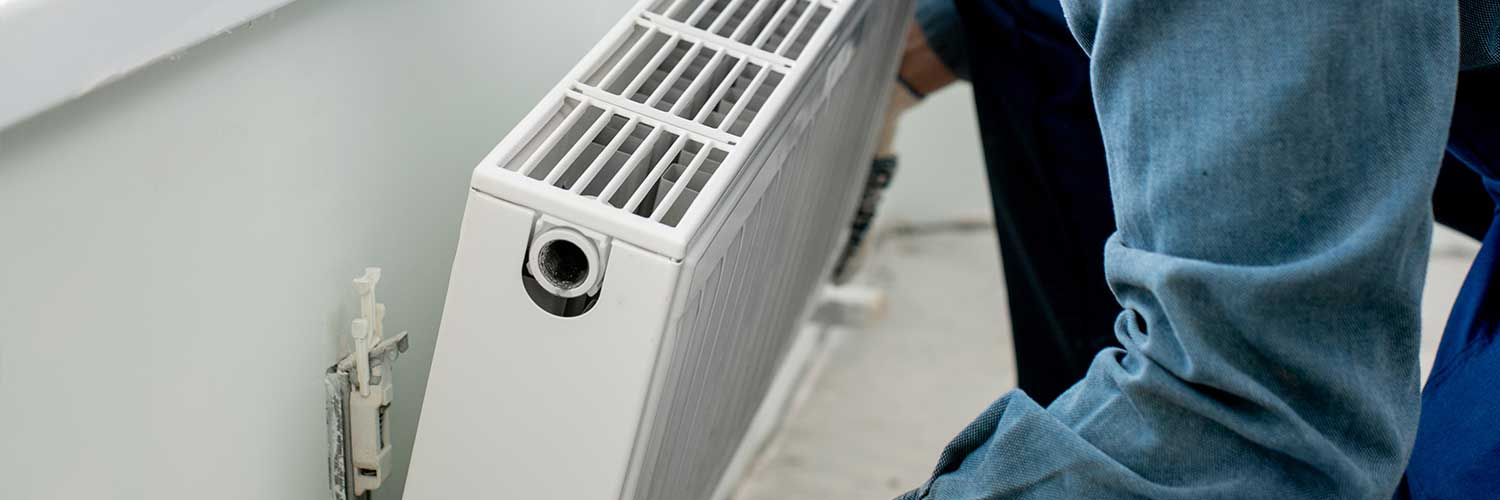
In order to properly winterize your plumbing structure and protect it from freezing temperatures, certain steps should be taken for each appliance or fixture. These include water heaters, toilets, and drains. Winterizing these items will ensure their proper operation during the colder months of the year.
Thus, if you want all your appliances and fixtures working correctly this season, make sure that they are appropriately winterized! This includes taking measures such as draining pipes leading outdoors, insulating any exposed piping, checking temperature settings on hot-water tanks, inspecting drainage systems for blockages due to debris buildup in cold weather, and using covers when necessary. Taking such precautions will help guarantee a successful transition into winter with minimal hassle.
Winterize the Water Heater
To winterize a water heater, adjust the temperature to its lowest setting or put it in ‘vacation mode’. If needed, empty out any leftover H2O from the tank using a pail or hose. Shut down your appliance and stop access to cold liquid with closing of intake valve. Winterizing your unit helps secure all plumbing throughout colder months by avoiding freezing temps plus protecting against potential harm on parts connected with the system. Appropriate preparation ensures proper maintenance for overall protection of home’s entire piping arrangement during this period.
Winterize Toilets and Drains
To prevent damage due to freezing temperatures, it is important to winterize toilets and drains. To start off the process, turn off the water supply then flush toilet bowls and tanks to empty out any residual liquid inside. It may also be necessary to use a plunger for excess water that has filled up in the bowl, which can then be pumped into drainage pipes below. Lastly, pour antifreeze down shower tubs, floor sinks, and other fixtures in order to keep flapper/seals lubricated thus avoiding deterioration from lack of moisture during these months.
By taking precautionary measures such as this when readying appliances for colder weather conditions, you can protect your residence against costly repairs. Along throughout winter while benefiting from increased comfort levels within its walls during this period too!